 Matter Plastics Plastics- What? Where? When?

| You are viewing text created during the EU sponsored project "Kids & Science". More information on this project can be found on the project Web site: www.kidsandscience.org |
| Kids&Science Matter Plastics Plastics- What? Where? When? |
|
| See also: Household Plastics, Synthetics - an Attractive Thing | |
Plastics- What? Where? When?What Is Plastic?
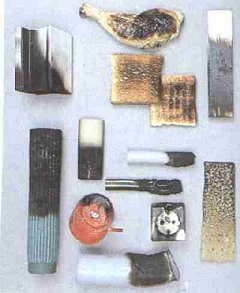
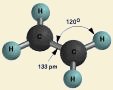
The term plastic describes organic materials, which are composed of macromolecules - which are also called polymers. They are produced by the transformation of natural products like cellulose or they are synthesised from compounds that occur in crude oil, natural gas or coal. Most plastics are made of carbon units - so when they are heated, the carbon becomes visible like in wood, meat or bread. From Monomer to PolymerPlastics (polymers) are long molecules, which are composed of smaller, shorter molecules. The small molecules are called monomers. Polyethylene (PE) is composed of the monomer ethene, for example:
How Everything Began:In 1862, plastics were produced out of plant products for the first time. Cellulose fibres obtained from cotton were treated with camphor and nitric acid, resulting in celluloid. Celluloid was used for producing knife handles, boxes, films and cuff links. The first synthetic plastic - Bakelite - was produced of coal tar in 1909. It was used for electrical insulation and as casing for the first cameras and radios. In the 30ties of the 20th century, the production of plastics based on mineral oil and coal (polystyrene, PVC) started, but in practice, the products were rarely used. The sole exception was nylon, which, spun and woven into tights, sold well with the ladies. After 1945, many plastics (PE, polyurethane, PVC, polyester...) were not only discovered, but also produced and manufactured. The success of these materials began with the economic boom in the 1950's.
Versatile PlasticToday, a life without plastics is unthinkable. There is hardly any field that has not been invaded by plastics. Here a few examples:
|
| Material courtesy of Kids&Science Foundation |
Web space and technical support provided by Epina GmbH |
Last Update: 2004-Feb-29 |

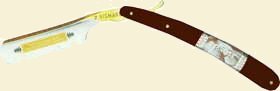 Razor with a celluloid handle